Mockingbird Raw Press
The road from 'might-buy' to 'must-have'
Mock Project

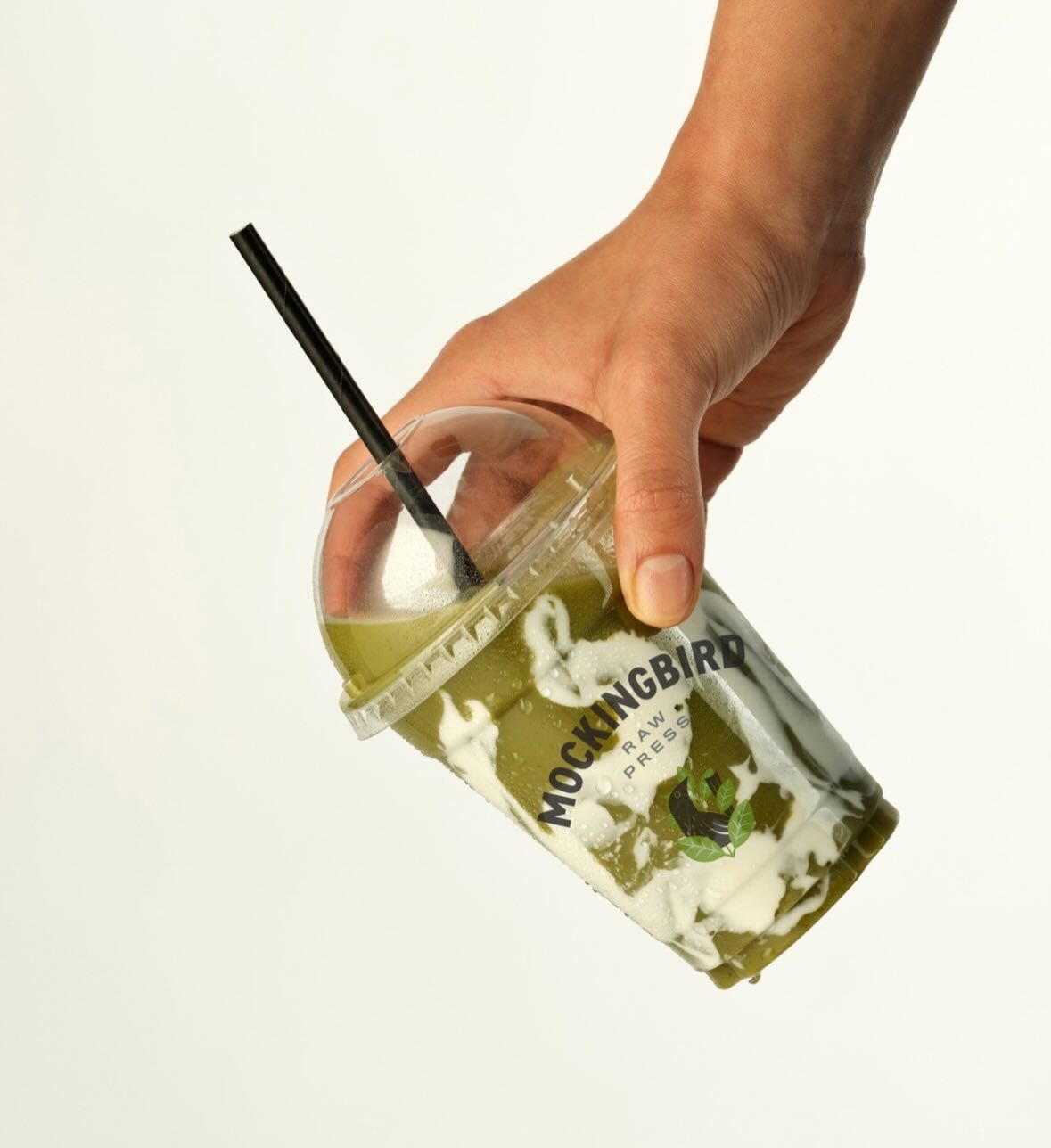
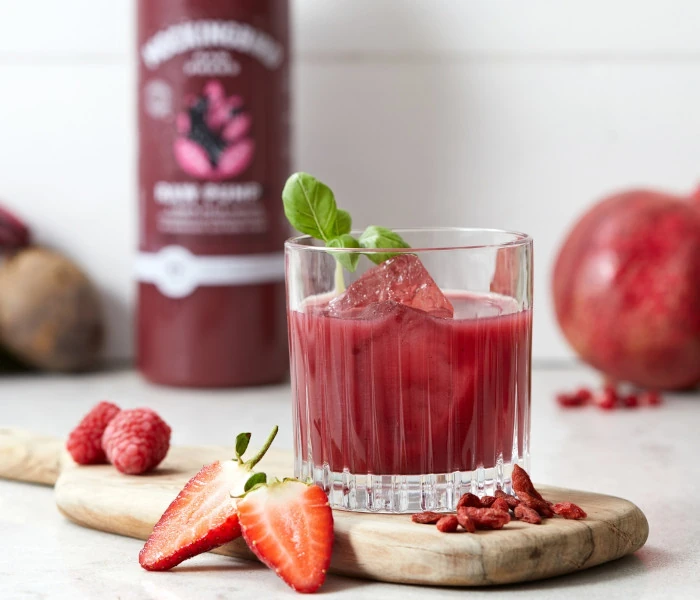
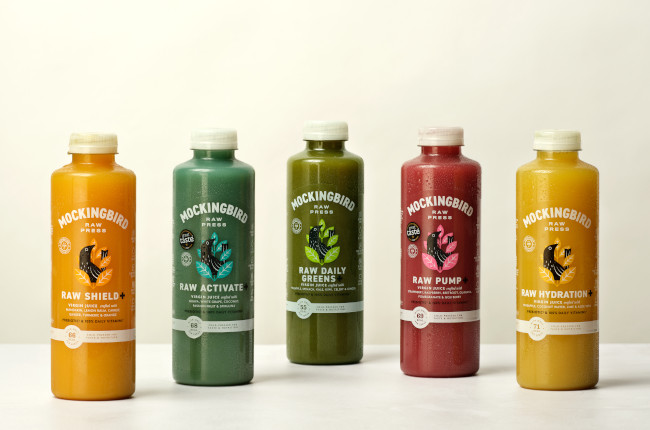
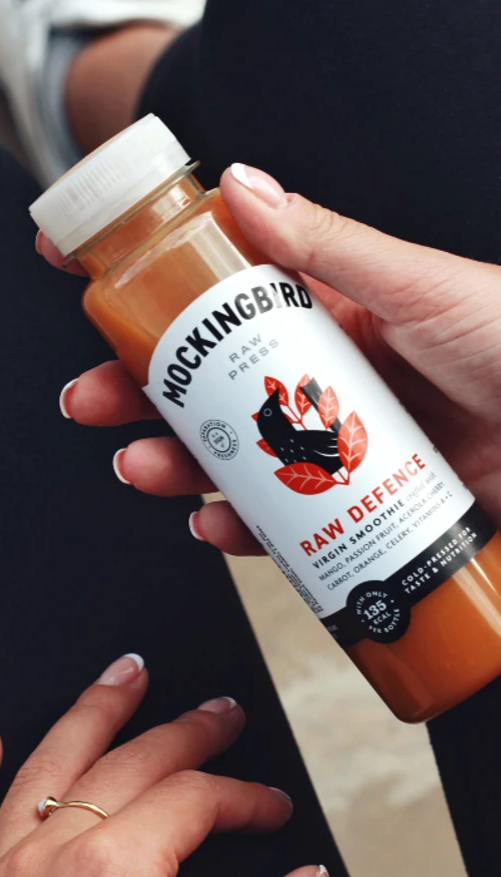
Real-life cold-pressed juice and smoothie brand Mockingbird Raw Press has the premium product down. This self-initiated mock project explores whether the right campaign could turn occasional buyers into loyal ones.
Project Overview
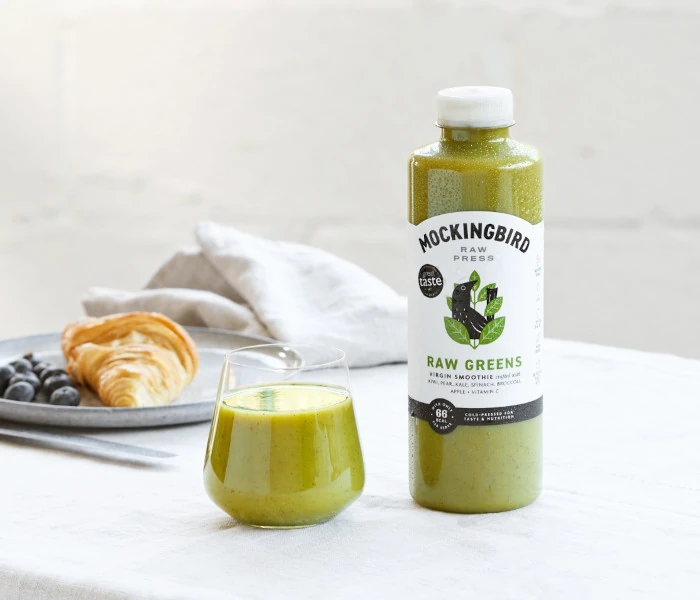
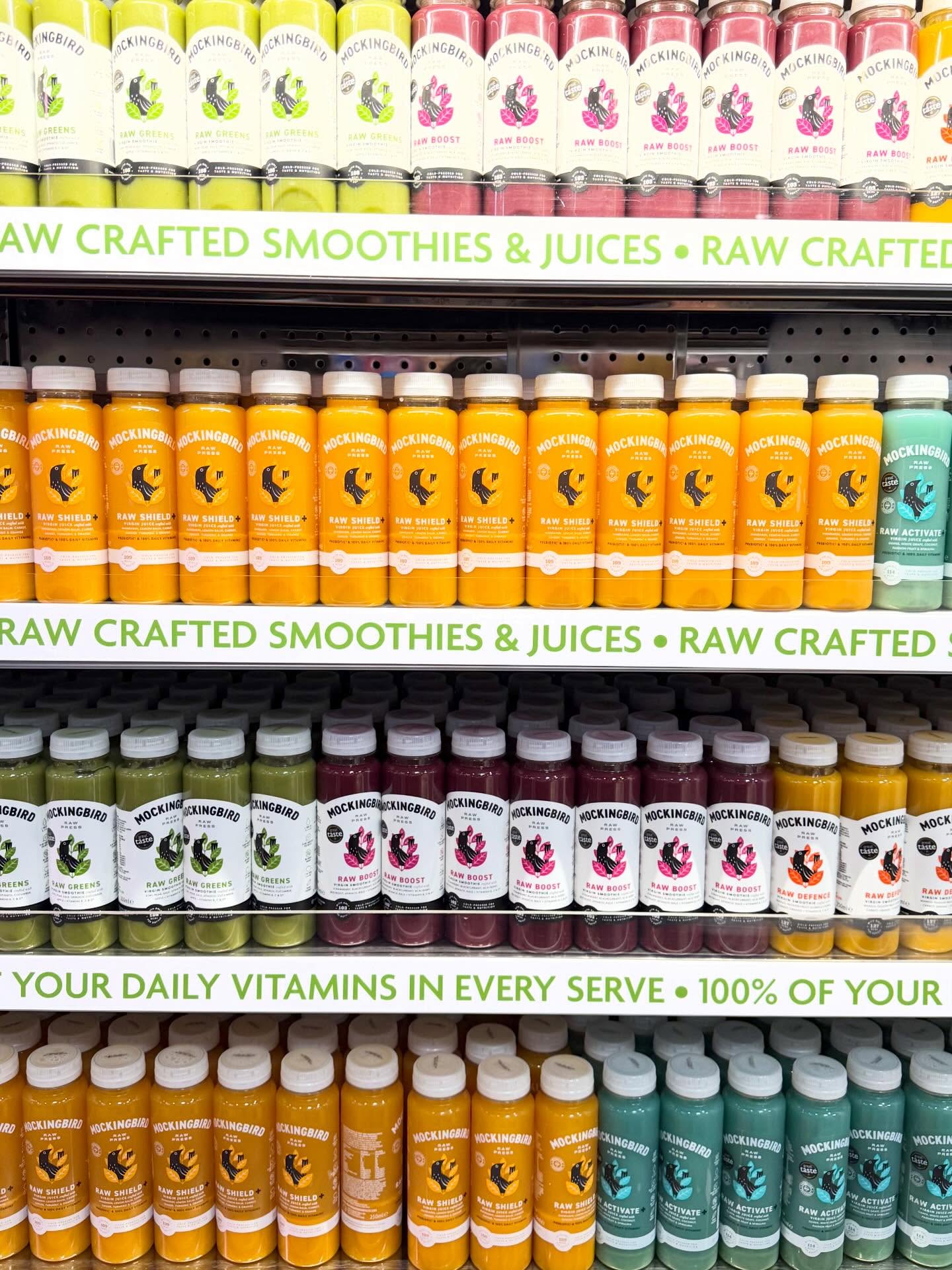
UK-based Mockingbird Raw Press launched in 2020. The small but mighty start-up took on a commoditised smoothie category and faced limited consumer awareness around the benefits of its raw fruit and vegetables drinks, but in the six years since its launch Mockingbird has gone from strength to strength, differentiating from smoothie giants by updating and owning the premium category that Innocent and Naked have vacated as they drifted towards mainstream. Despite higher prices, Mockingbird has become a top seller in major supermarkets, signalling a thirsty market. In this mock project, I’m looking at how they can go beyond being the successful challenger brand into being the category leader for premium smoothies and juices.


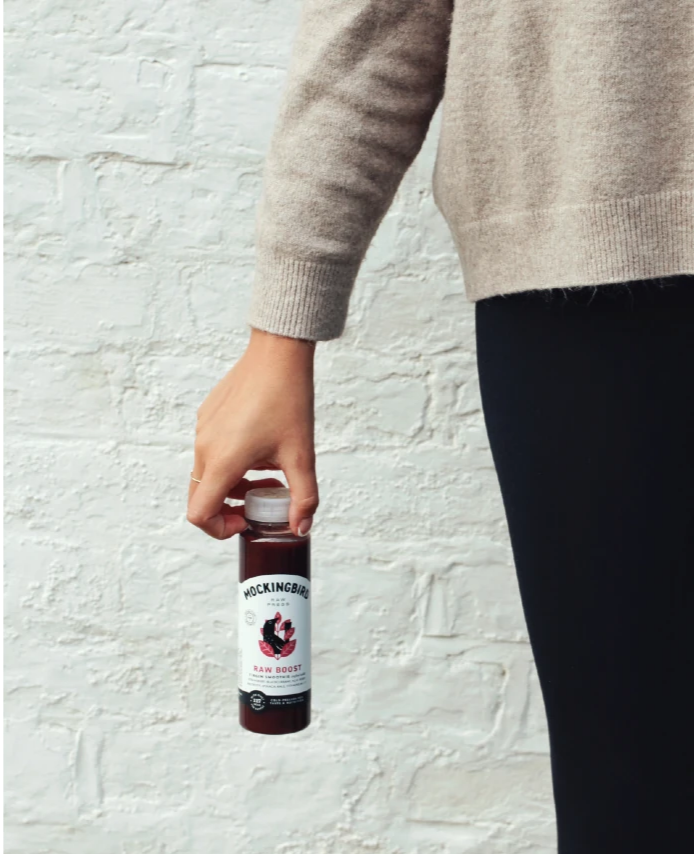
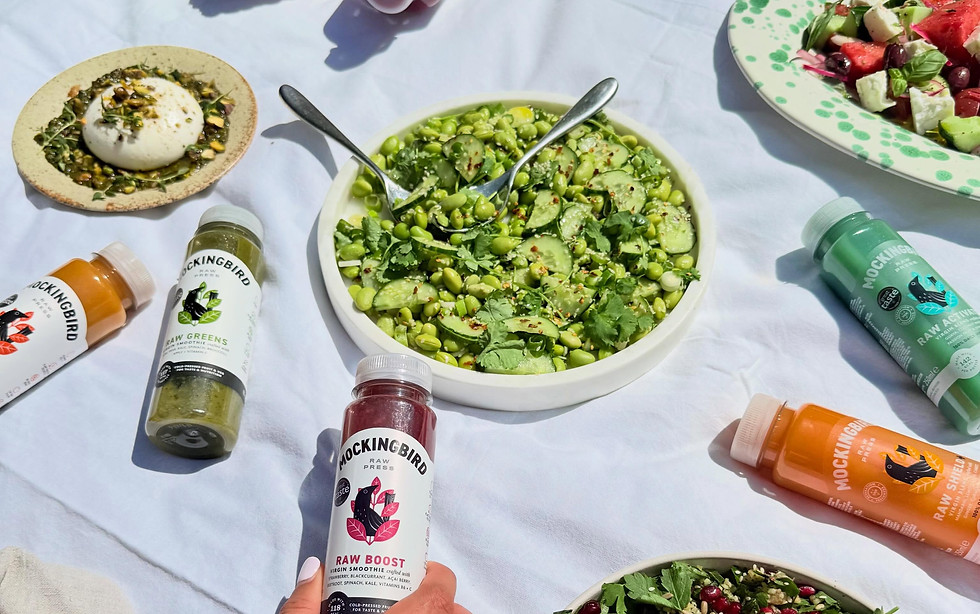
All images courtesy of Mockingbird Raw Press
The Brief
Brand: Mockingbird Raw Press
Product: Premium cold-pressed smoothies and juices available at retail outlets.
Audience: Health-conscious consumers seeking convenient, high-quality options and a reason to justify the premium price.
Goal: Test and establish the most effective content strategy to drive sales at scale.
Timeline: 4-week pilot campaign, with performance review at the end of week 4 to inform ongoing strategy.
Budget: £8,500

The Challenge
How can Mockingbird Raw Press strengthen customer engagement, repeat purchases and brand preference in the competitive smoothie and juice category? And what content strategy would most effectively drive that at scale?

Audience Insight
Based on informal independent research, including review of MRP's public-facing channels, competitor analysis and category observation, rather than proprietary customer data.
[01]

Who are Mockingbird Raw Press’ customers?
Health-conscious urban professionals, wellness-oriented and ethically minded consumers seeking convenient and wholesome yet pleasant-tasting smoothie and juice options.
What do they care about?
Quality and purity in their food and drink (but not at the expense of great taste), a food-as-medicine approach to diet, and ethical production, all delivered with convenience by a superior brand they can trust to help them look after their health.

What’s holding them back from greater loyalty or repeat purchasing?
For existing customers, it’s: The premium price perception, which leads to seeing the products as a pricey health treat rather than an easy-to-love, enjoyable health essential, which leads to inconsistent purchasing habits and reliance on discount promotions.
For nascent customers, it’s: The above tension, and also limited brand awareness and/or greater familiarity with competitor brands (esp. Innocent). The commoditisation of smoothies leads to them choosing the cheaper option.
For both groups: Limited understanding of the true health benefits of cold-pressing to increase raw fruit and vegetable intake, resulting in making the premium price harder to justify.
Strategy
[02]
Core Campaign Concept
To build the foundations for increased sales,
Mockingbird Raw Press should:
Address the luxury vs. necessity problem (existing customers): position it as a delicious daily ritual, not a weekend one-off, with lifestyle and community-featured content.
Address awareness and familiarity barrier (new customers): build brand visibility and credibility through influencer partnerships, and use digital retail media at the point of purchase.
Across both audiences, they need to educate people on cold-pressing through content and branding that tells the quality story as a supporting narrative.
The overall aim is to help customers better understand the higher quality they are paying for, so that the price stops being a barrier and instead becomes a reason to buy, leading to more frequent purchasing and a shift from health luxury to health essential.
Key Message
We’re your most delicious and easy healthy habit.
Channel Approach

Reinforce choosing MRP at the key moment of purchasing online using striking but simple creative assets that highlight an enjoyment or convenience angle with a subtle “health ROI” undertone, e.g. “Nicer than salad”
Increase posting frequency:
Content mix weighted toward lifestyle/community (roughly 60%) and education (40%).
The former builds an association between MRP and easy, enjoyable health rituals, the latter fills in on the cold-pressing knowledge gap and other nutritional information while avoiding heavy health rationality.
Short-form video is prioritised for reach given the health content niche’s strong performance on Instagram (could expand to TikTok).
Influencer collaborations:
Focusing on micro-to-mid tier creators (5k–100k followers) in the health, nutrition and "busy-and-healthy" lifestyle space, to tap into higher engagement rates and warm audiences.
3-part welcome drip sequence triggered by newsletter sign-up on website landing page.
Ongoing weekly newsletter maintaining the relationship with recipes, ingredient spotlights and promotion alerts. Send timing should be aligned with in-store promotional periods.



Execution


Online Retail Media & Display Ads
Retail display ads would run across digital retail media networks. Ocado and Waitrose are my top choices due to the larger health-conscious and premium audience.
Formats would include sponsored product placements in search results (capturing active purchase intent) and display ads on category and basket pages (reinforcing brand preference at the moment of decision).
This targets the bottom of the funnel and shoppers who are already in the buying mindset, so it’s the most conversion-focused channel in the mix.
All visual/copy assets in this section are created by me, for this project.

Social Media
Content Themes
-
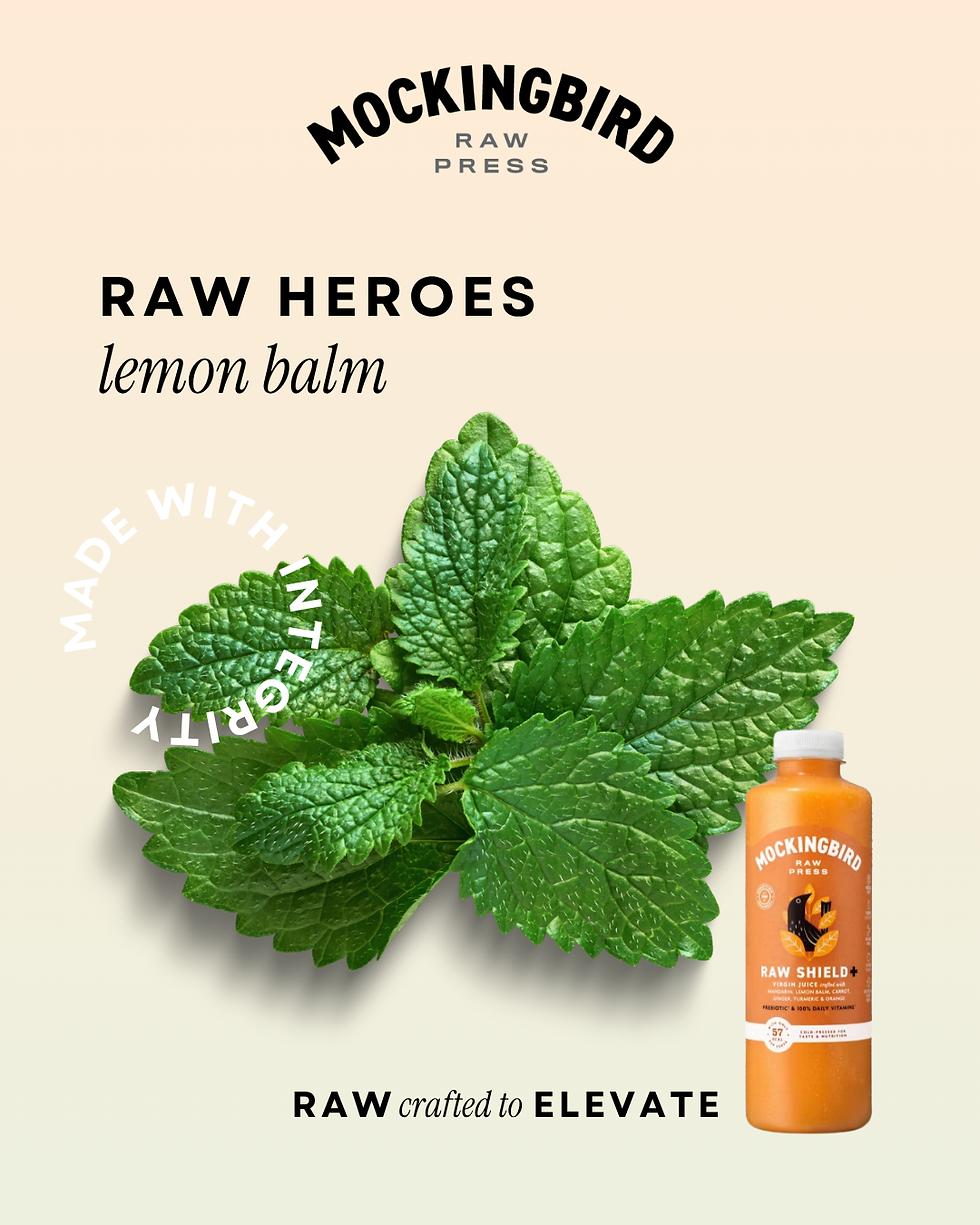
Education (cold-pressing benefits, ingredient spotlights)
-
Habit formation (recipes, in-store promotion radar, daily use lifestyle content)
-
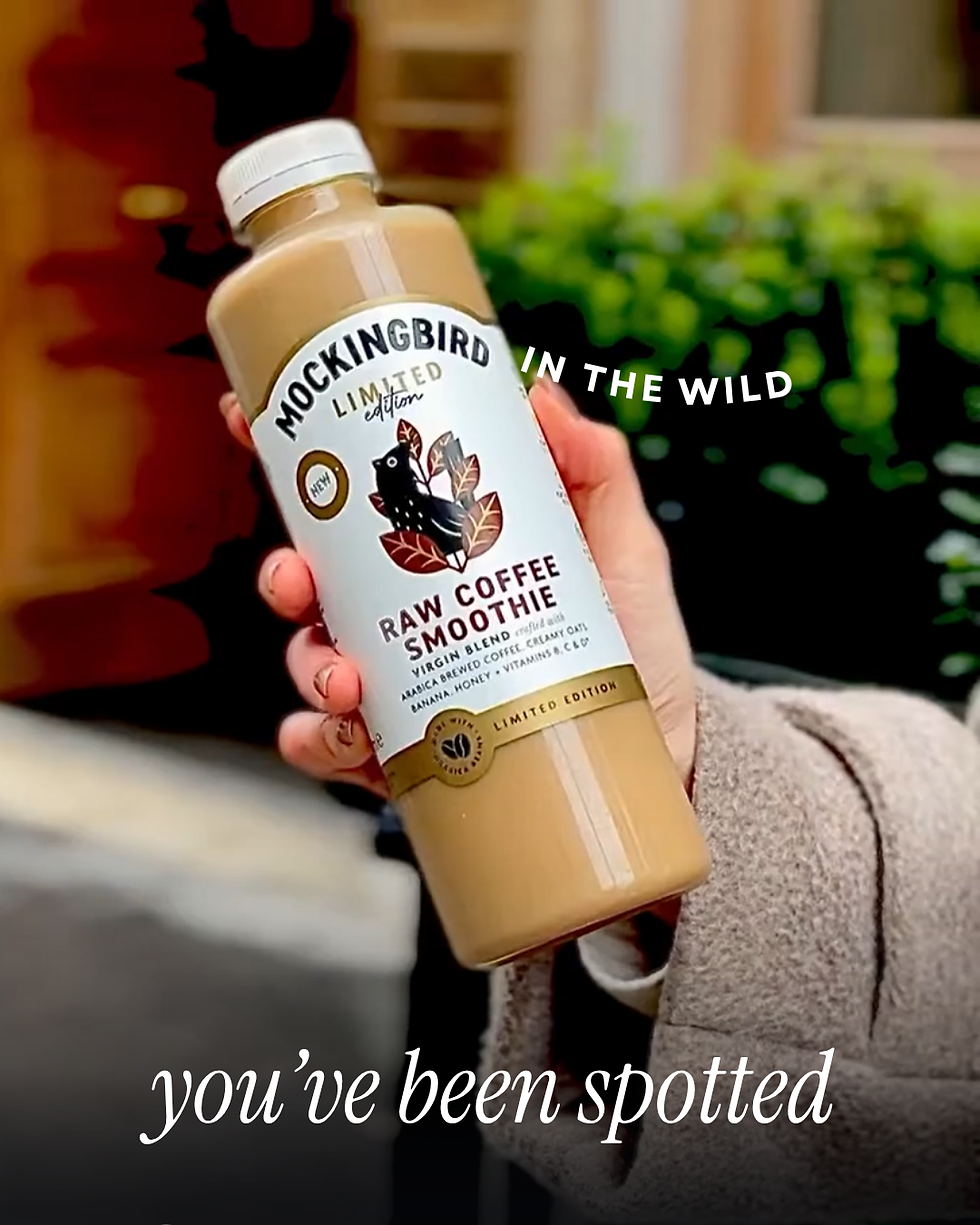
Social proof (UGC or professional content of drinks being consumed on the go to highlight convenience, “Mockingbird in the Wild” series)
-
Brand Trust (origin story, Do No Harm principle story, behind the scenes: formulation, production, sourcing from their certified farms)
All visual/copy assets in this section are created by me, for this project.

Initial email sequence prompted by newsletter sign-up on website:
-
Welcome email (see left/below)
-
Aim: build awareness and positive association with the brand with a warm, lightly informative introduction into the mockingbird world
-
-
Educational email
-
Aim: Quickly explain the benefits of cold-pressed juice and smoothies and hone in on the easy “health ROI” that customers are getting for the price. Link to the store locator.
-
-
Retention email
-
Aim: A habit-nudge email that continues to frame MRP as a—chiefly enjoyable—“health essential not health luxury”, with a store locator CTA.
-
Ongoing weekly newsletter maintaining the relationship with recipes and promotion alerts.
All visual/copy assets in this section are created by me, for this project.

[03]

Performance Plan
[04]

Key Performance Indicators
Success would be measured through the following KPIs, grouped by funnel stage, and reiterating the campaign's dual focus on building awareness with new customers and deepening purchasing habits with existing ones.
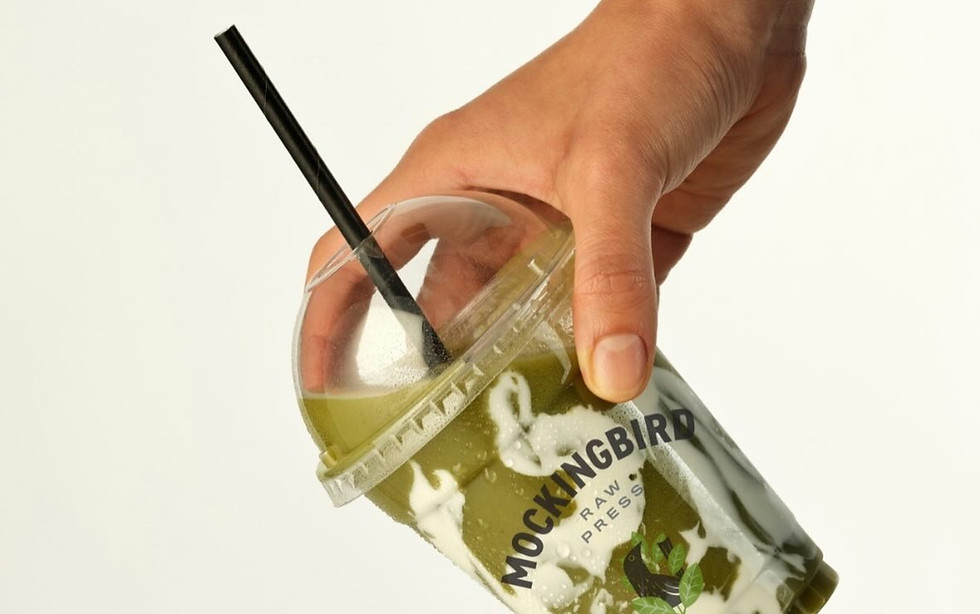
Retail partner campaign impressions and CTR, tracked per campaign burst

-
Instagram engagement rate, tracked weekly across content pillars
-
Email list growth rate, measured monthly

-
Website traffic to store locator and/or product pages, tracked weekly
-
Retail sales volume and velocity, tracked monthly against pre-campaign baseline
Testing & Hypothesis
Testing is to be carried out with variables across headlines (in email, ads, social), creative assets and CTAs.
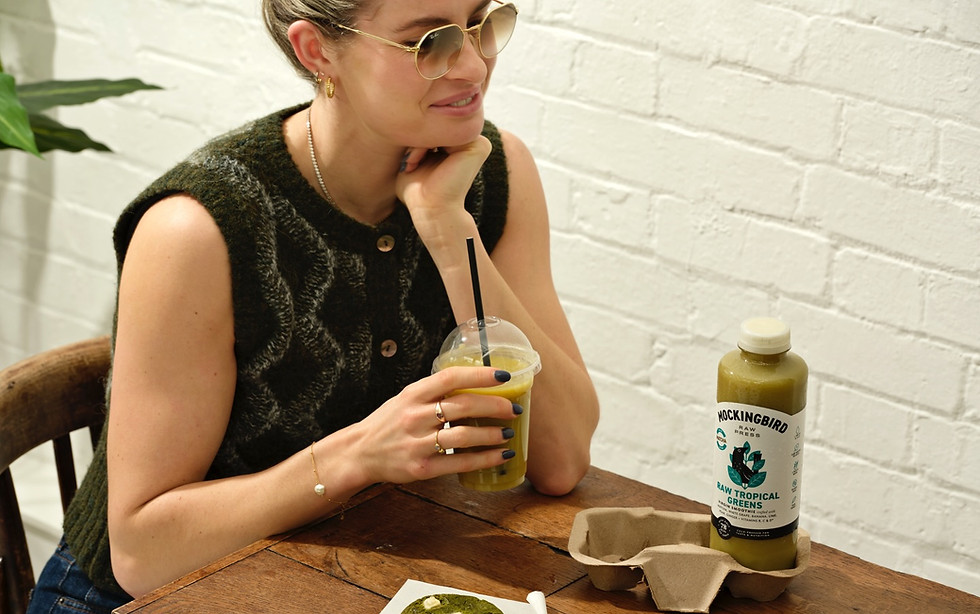
Does health outperform taste/convenience in email subject lines?
Hypothesis: Yes, because the audience has already self-selected for health consciousness and is ready for deeper commitment to that over email.

Does a creator whose educational content centres on health education drive more store locator clicks than a recipe-focused creator?
Hypothesis: No, because at the top of the funnel stage people are more drawn in by enjoyment and aspiration than health rationales.
Does lifestyle content drive higher engagement than educational content on Instagram?
Hypothesis: Yes, in most cases, but this gap may narrow when educational content is delivered in an entertaining way (e.g. short-form videos: ingredient explainers, behind-the-scenes production clips). Format and execution may matter more than content category.
Budget Allocation
This campaign proposes a £8,500 budget covering media placement and content production costs, excluding agency fees or in-house employee time, and a contingency of £700.
It aims to be thorough enough to generate useful data across all three funnel stages, but modest enough to be a realistic test in this 4-week pilot before committing to larger spend. The budget is weighted towards the channels most important to this campaign's goals (retail display ads and influencer partnerships).
At the end of the pilot, KPIs results should give clear information for phase two decisions, which might mean scaling what worked or adjusting the channel mix.

Outcomes
[05]
Expected

Success at the end of the four-week pilot would show changes across key areas: growing email subscribers, increased social engagement and higher web traffic to the store locator. A small increase in retail sales velocity would be a positive signal, but the primary goal of this phase is generating reliable data to inform phase two.
If lifestyle content outperforms educational content, it would underline that health-first narratives should not be the main campaign messaging (likewise if the recipe-focused influencers prevail). But if engaging health content performs better, it confirms that health-conscious messaging resonates more deeply than assumed and should be prioritised in phase two.
Where the pilot shows strong performance, phase two's next step might be to add a new social channel (TikTok), expand the influencer programme, increase paid social budget behind the best-performing content and develop the email sequence based on open and click data from the initial series.
Thanks for reading